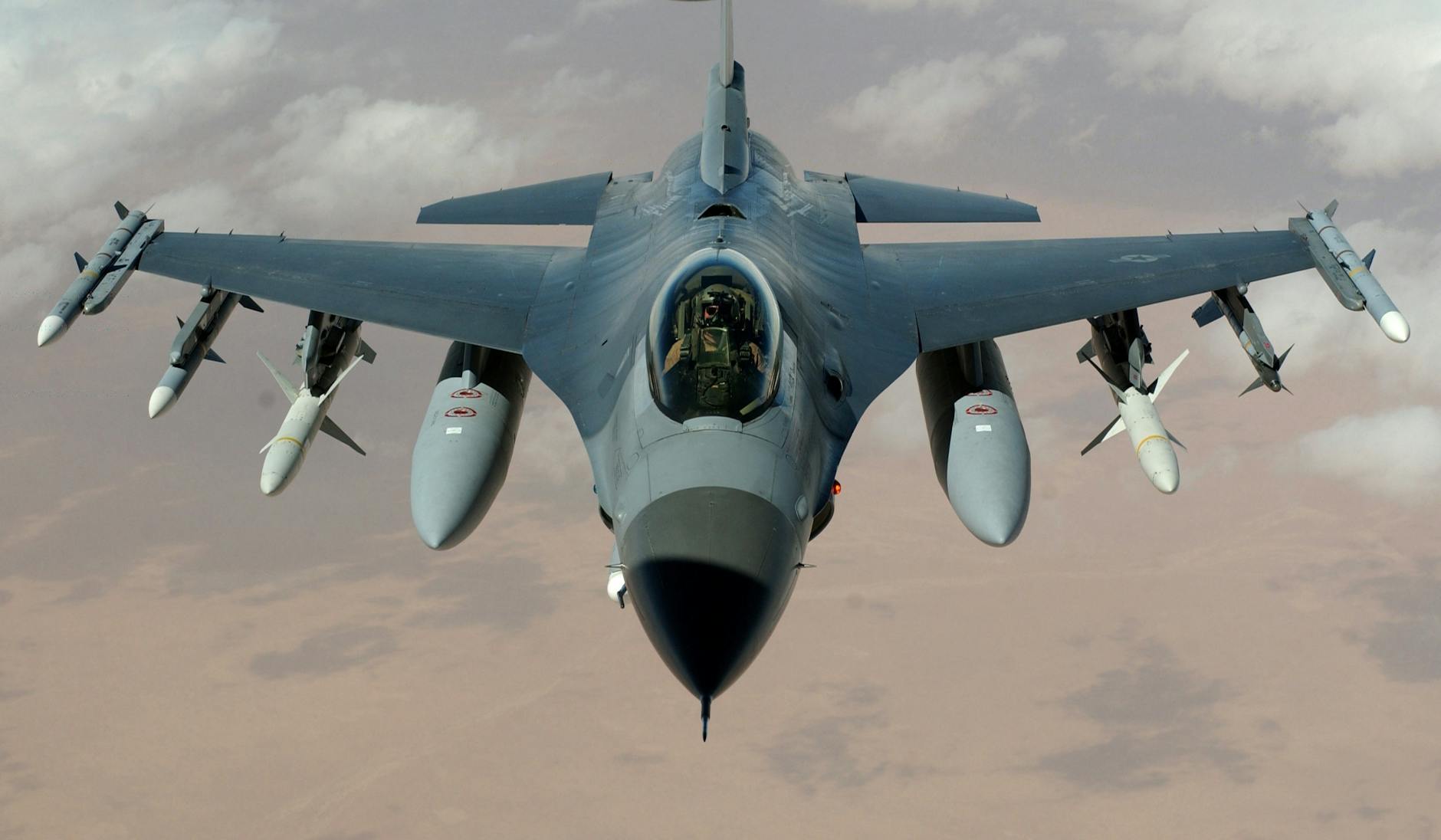
Is the U.S.–Israel Attack on Iran Legal? This is the question on the minds of billions of people worldwide as they observe the unfolding geopolitical tensions. This article analyzes the legality of the attack under International Law and the UN Charter, assessing these military actions against the legal principles established after the Second World War to prevent unilateral wars and preserve global peace.
The ongoing military conflict involving the United States, Israel, and Iran has sparked intense global debate within both political and legal circles, centered on a single fundamental concern: Is the U.S.–Israel Attack on Iran Legal? At the core of this controversy is the legality of the U.S.–Israel actions under international law, which this article reviews through the lens of the UN Charter, the doctrine of self-defense, and the established rules governing armed conflict
Read: 9 Ways To Make A Judge Rule In Your Favor
International Law and the Use of Force
For a military strike to be considered legal under modern international law, it must generally meet one of two strict exceptions to the prohibition on force:
- UN Security Council Authorization: Action taken under Chapter VII of the UN Charter.
- Self-Defense: The inherent right to defend against an armed attack under Article 51.
In the case of the legality of the U.S.-Israel attack on Iran, the UN Security Council did not authorize military action, meaning the legality hinges entirely on the justification of self-defense.
The Prohibition on the Use of Force (Article 2(4))
The cornerstone of post-1945 international order is Article 2(4) of the UN Charter, which requires all members to refrain from the “threat or use of force against the territorial integrity or political independence of any state”. This rule was established to prevent unilateral wars and preserve global peace. Because this rule creates a strong presumption against military action, any state using force carries the legal burden of proof to justify its actions.
The Self-Defense Exception: Necessity and Proportionality
Under Article 51, states have an “inherent right” to self-defense if an armed attack occurs. However, this right is governed by two critical principles:
- Necessity: Force must be the last resort after all peaceful alternatives have been exhausted. Critics argue that because Iran had not launched a direct armed attack immediately prior to the strikes, the requirement of necessity may not have been met. Supporters, however, point to Iran’s regional activities and support for armed groups as evidence of an “ongoing armed conflict”.
- Proportionality: The scale of the military response cannot exceed what is required to neutralize the threat. The large-scale nature of strikes against Iranian infrastructure has led some experts to question if the response was disproportionate to the actual danger faced.
The Problem of “Preventive War” vs. Imminent Threats
A major point of contention is whether the strikes constitute preventive war, which is generally not recognized as lawful under international law.
- Anticipatory Self-Defense: For a pre-emptive strike to be legal, there must be evidence that an attack is imminent—meaning it is about to occur and cannot be prevented by other means.
- The Iran Context: The U.S. and Israel have cited Iran’s nuclear and missile programs as regional security threats. However, many legal analysts argue that the “imminence” of a specific attack has not been clearly demonstrated, making the strikes inconsistent with the established legal framework.
International Humanitarian Law (IHL) and Civilian Protection
Once a conflict begins, it is governed by the Geneva Conventions, which prioritize the protection of non-combatants. Compliance is measured by three main rules:
- Distinction: Combatants must always distinguish between military targets and civilians.
- Proportionality in Attack: Operations must avoid causing excessive civilian harm relative to the military advantage gained.
- Protection of Infrastructure: Schools, hospitals, and other civilian facilities must be protected.
While civilian casualties do not automatically constitute war crimes, they raise serious questions about whether the attacking forces took all feasible precautions to minimize harm.
Is This an “Act of Aggression”?
If a military action is not justified by self-defense or the UN Security Council, it may be classified as aggression. The Rome Statute defines aggression as the use of force against the sovereignty or territorial integrity of another state. While some suggest these attacks meet the definition—especially if the goal was regime change—enforcement is difficult because neither the U.S. nor Israel is a party to the International Criminal Court (ICC) jurisdiction regarding this specific crime.
Preventive War
Is preventive war legal under international law? Generally, no. International law only recognizes anticipatory self-defense if an armed attack is “imminent” and about to occur.
What happens if the UN Security Council is deadlocked? Geopolitical rivalries and the veto power of permanent members often prevent the Council from taking action, leading states to resort to unilateral measures justified by expansive interpretations of self-defense.
Does a civilian casualty constitute a war crime? Not automatically. The legal determination depends on whether the military took “all feasible precautions” to avoid such harm and whether the target was a legitimate military objective.
Finally on the Question, Is the U.S.–Israel Attack on Iran Legal under International Law?
The answer to the question: is the U.S.–Israel Attack on Iran Legal?, remains a matter of intense debate, reflecting a deep divide between those who prioritize state sovereignty and those who argue for a broader interpretation of collective security. Ultimately, these events serve as a stark reminder that the international legal system is under significant pressure from modern geopolitical rivalries.
What do you think? Should international law be updated to better address “ongoing threats” and proxy warfare, or does expanding the definition of self-defense risk making the world less safe? Share your thoughts in the comments below.